

Niger Assembly Health Committee Directs Spotlight on Healthcare Crisis in Wushishi, Kaffin Koro, and Kuta
By Hajara Muhammad Sambo
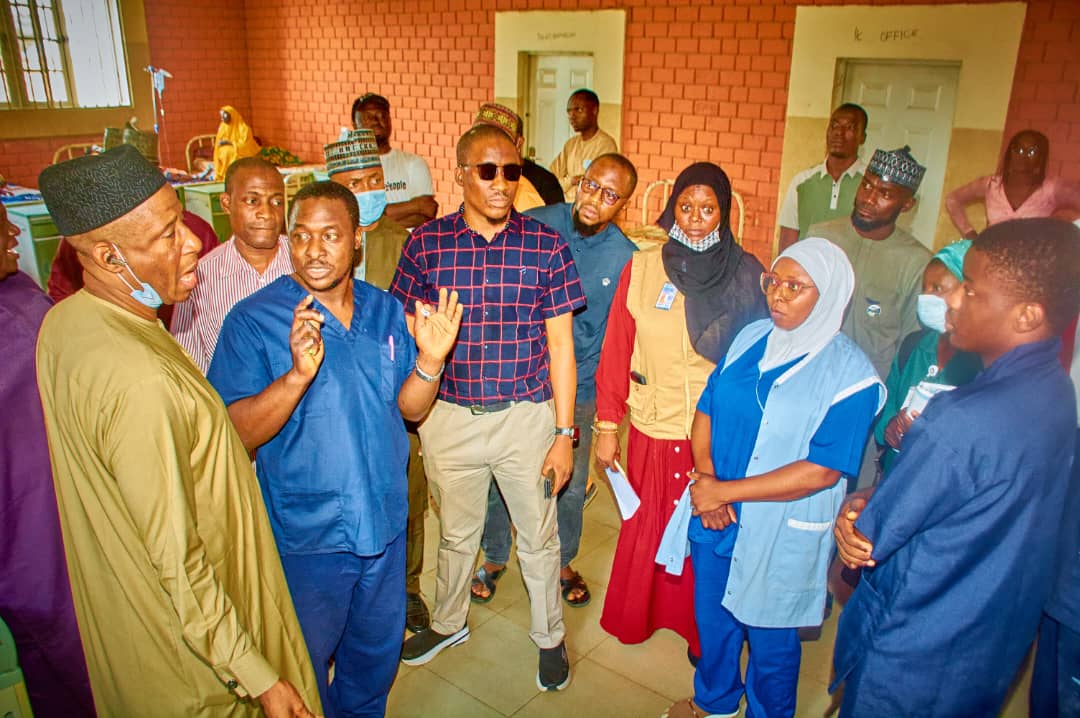
MINNA, NIGER STATE — The Niger State House of Assembly Standing Committee on Health has conducted an extensive oversight tour of General Hospitals in Wushishi, Kaffin Koro, and Kuta, uncovering severe operational hurdles that threaten public health delivery in the affected communities.
During the exercise, healthcare administrators across the three facilities presented a united call for urgent state government intervention, citing critical shortages of personnel, deteriorating infrastructure, and erratic power supply as primary barriers to effective care.
At General Hospital Wushishi, Head of Hospital Services Dr. Asomma Nnamdi commended the lawmakers for executing their oversight mandate.
He emphasized that the assessment remains vital for pointing out key operational gaps requiring policy and legislative intervention, assuring that hospital management would act on the committee’s observations to enhance service quality.
The situation proved particularly complex at General Hospital Kaffin Koro in Paikoro Local Government Area, where health personnel operate under the shadow of persistent security threats. Head of Health Services Dr. Victor Abolarin noted that despite working in a banditry-prone zone, staff remain dedicated to patient care.
However, he appealed for immediate help to fix a collapsed perimeter fence, repair broken air conditioning units in the operating theatre, and build adequate staff accommodation.
Dr. Abolarin strongly advocated for installing solar power systems across the facility, noting that current blackouts directly compromise the pharmacy and emergency surgical operations.
Meanwhile, at General Hospital Kuta in Shiroro Local Government Area, a acute manpower deficit took center stage. Dr. Abdulsalam Abdulrasheed, Head of Hospital Services, revealed that he has carried the burden of being the hospital’s sole medical doctor for over three years a situation creating immense strain on emergency care and weekend coverage.
To keep basic operations afloat, Dr. Abdulrasheed highlighted that the hospital formed public-private partnerships to procure critical medical supplies, including oxygen concentrators and blood bank facilities.
The House Standing Committee on Health assured hospital administrators that findings from the tour will form the backbone of upcoming legislative actions and funding recommendations aimed at rehabilitating rural healthcare systems across Niger State.